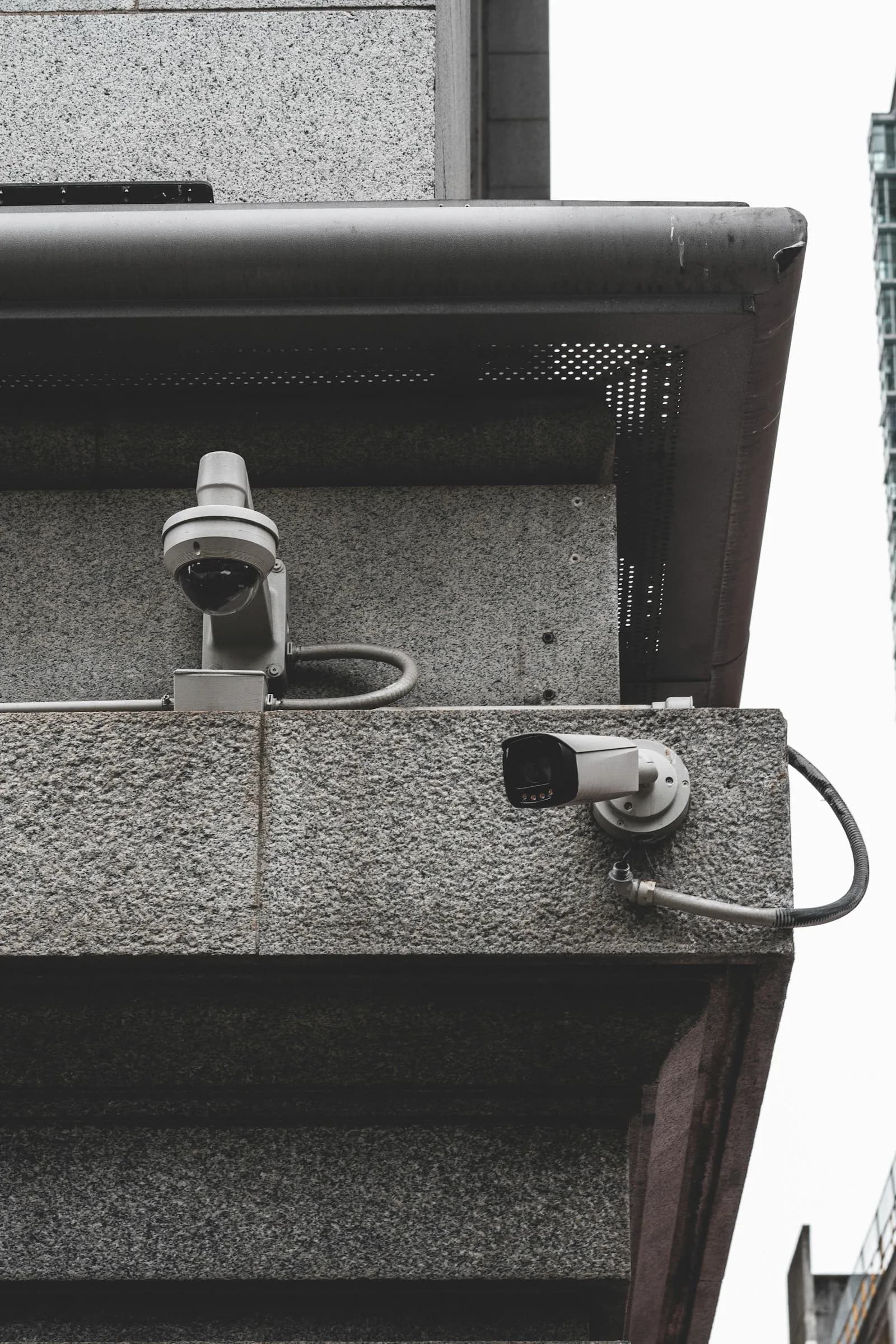
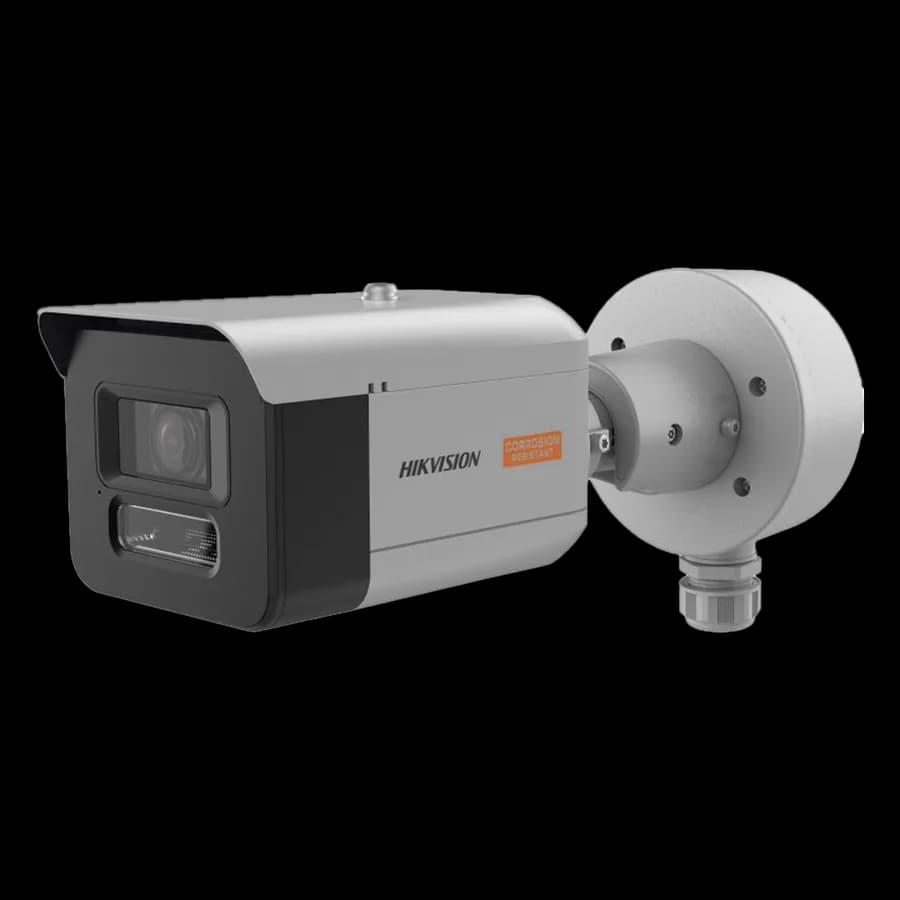
Hikvision · DS-2XC3T46G0H-LISU(PA)
Anti-corrosion cameras for the coast
By the beach, a regular camera rusts within months. These are built to withstand salt, humidity and sun.
The problem
Why cameras fail near the sea
Sea breeze carries salt that sticks to everything. With humidity it turns corrosive and attacks metal, even on cameras labeled "outdoor".
Screws and mounts rust
Rust loosens the camera, throws it out of alignment and eventually breaks the mount.
Connectors fail
Salt gets into the connections and the camera shuts down or drops video without warning.
Warranty doesn't cover corrosion
Almost no manufacturer covers salt damage on a regular camera.
- C5Top-level anti-corrosion
- NEMA 4XCorrosion resistant
- IP68Water and dust proof
- 316LMarine-grade steel
The line
Anti-corrosion cameras
Bullets, domes and PTZs for beach houses, hotels, marinas and coastal businesses.
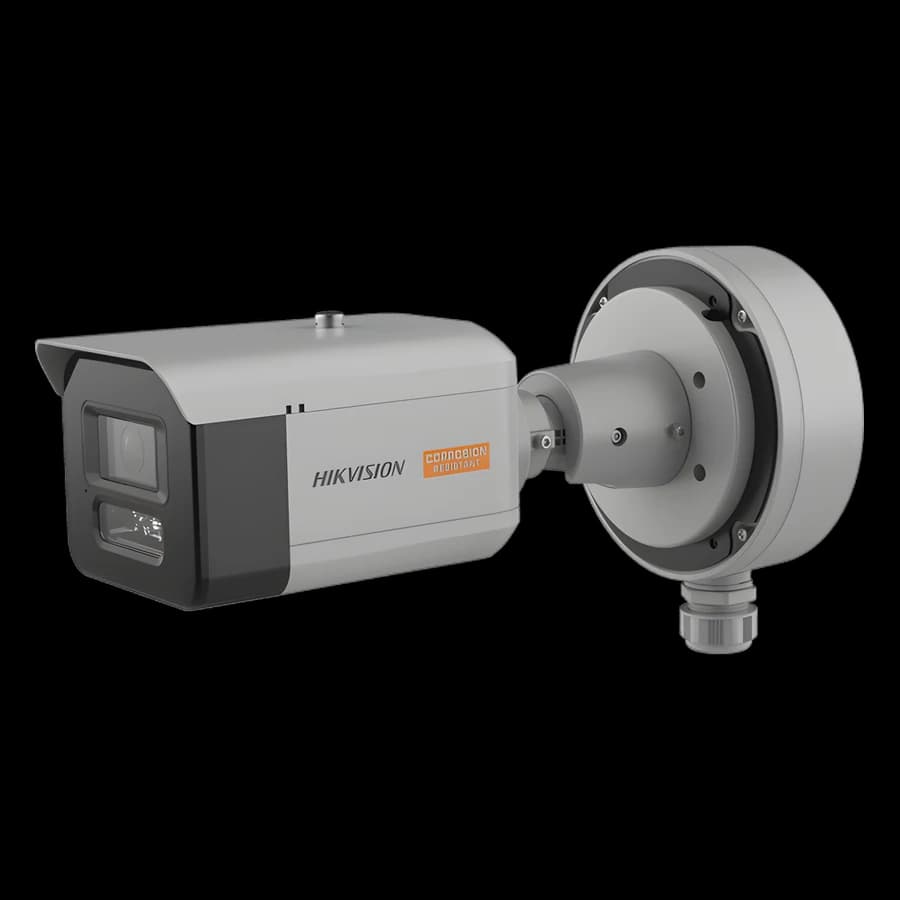
Hikvision · DS-2XC3646G0H-LIZSU(PA)
4 MP anti-corrosion IP bullet camera, 2.7–13.5 mm motorized lens
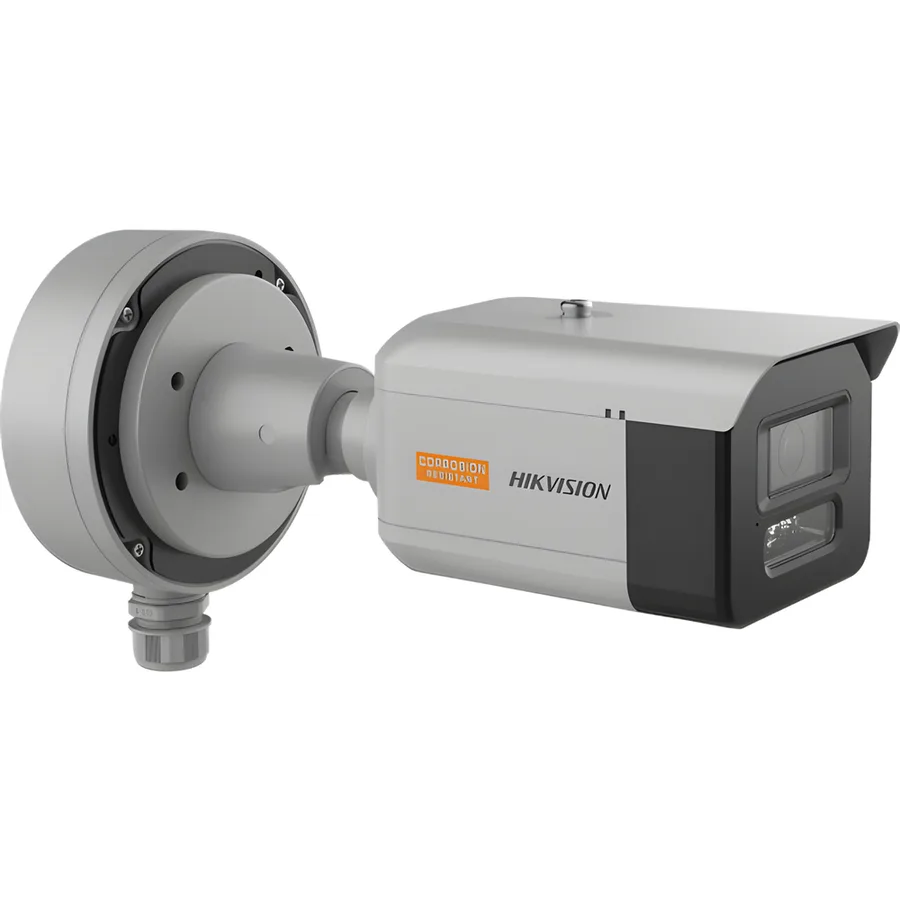
Hikvision · DS-2XC3646G0H-LIZSU(PA)/7
4 MP anti-corrosion IP bullet camera, 7–35 mm motorized lens
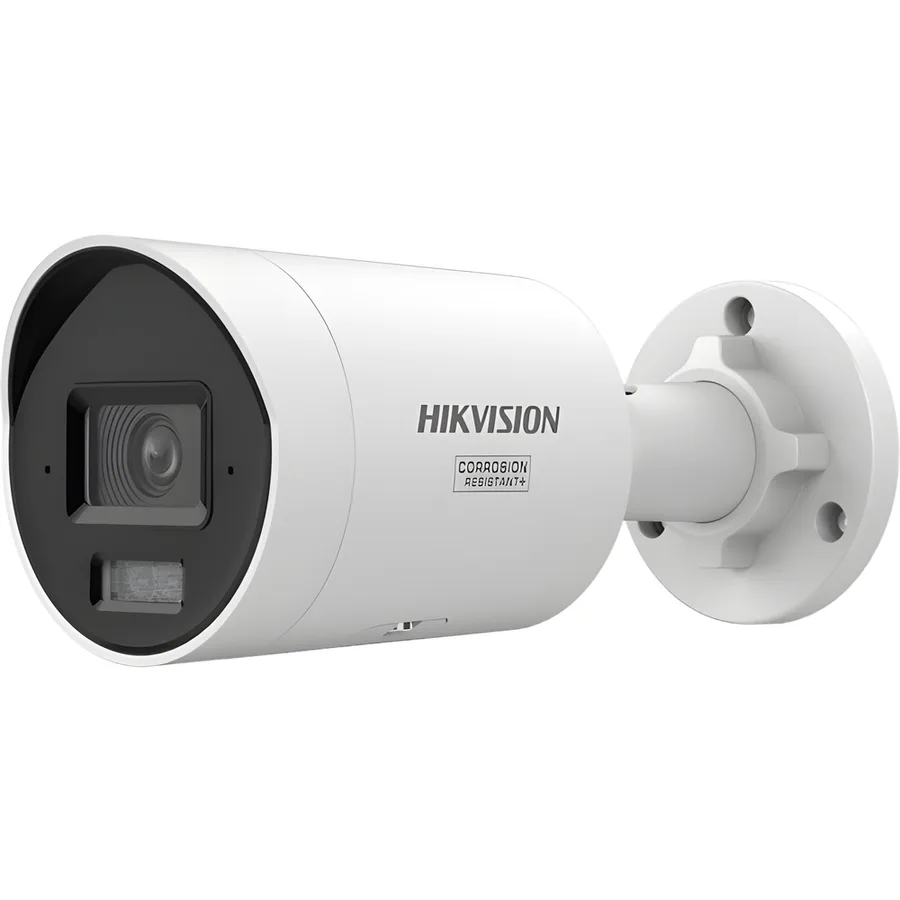
Hikvision · DS-2CD20123G2-LIUY
12 MP NEMA 4X anti-corrosion IP bullet camera, 40 m hybrid light
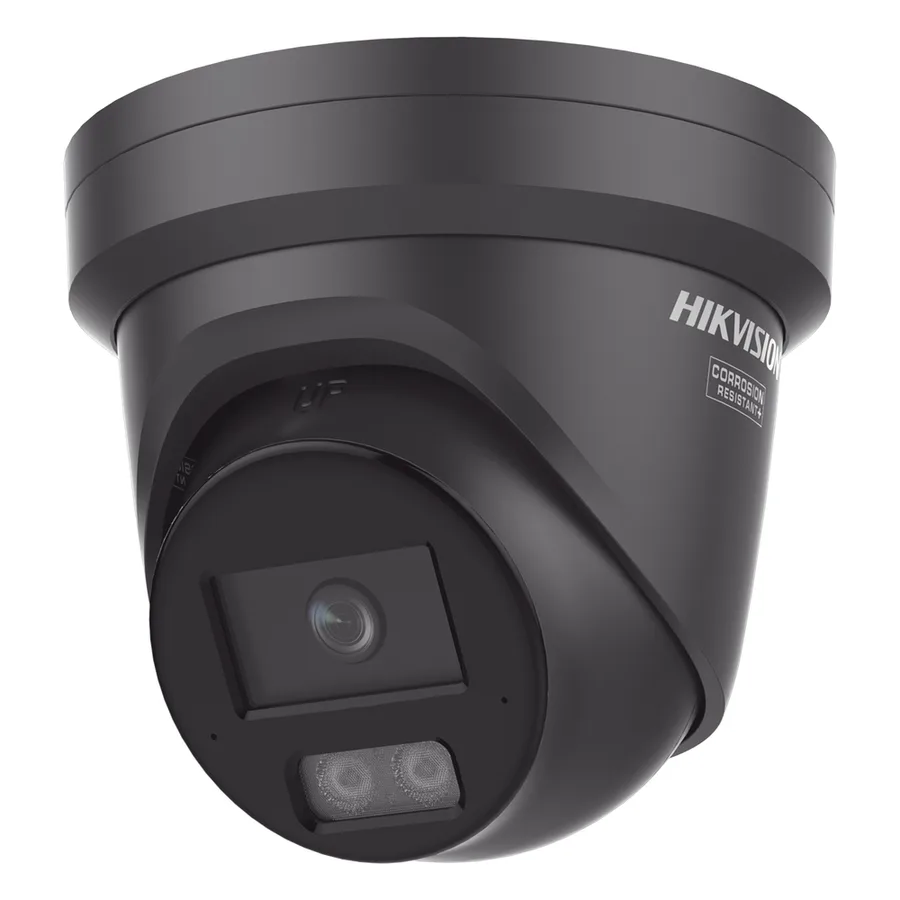
Hikvision · DS-2CD2347G3-LI2UY(BLACK)
4 MP ColorVu NEMA 4X anti-corrosion IP turret, black, 2 microphones
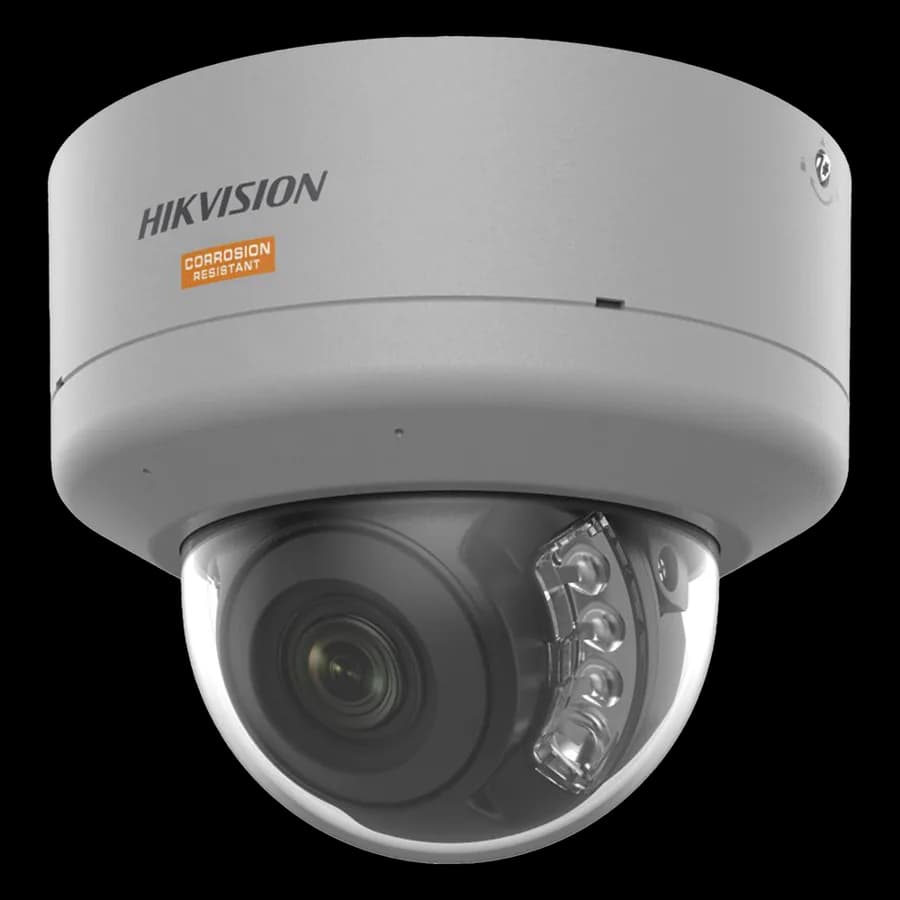
Hikvision · DS-2XC3146G0H-LISU(PA)
4 MP anti-corrosion Dual Light IP dome, with microphones
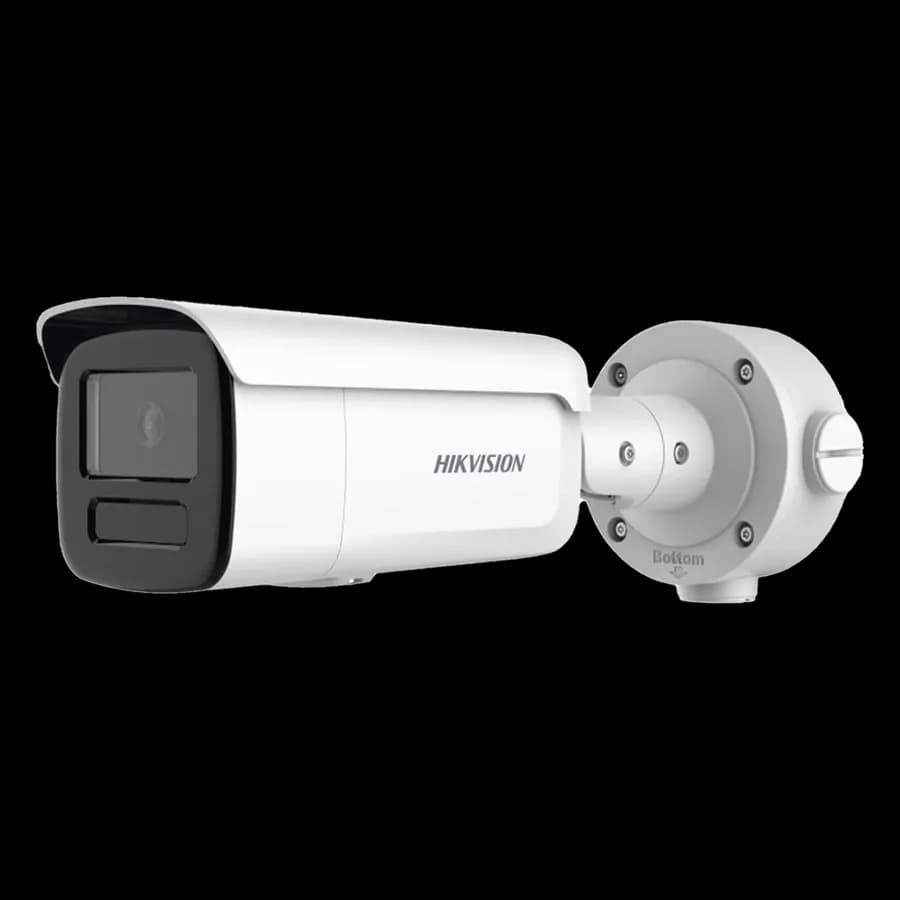
Hikvision · DS-2CD3T46G2-4ISY(H)
4 MP anti-corrosion DarkFighter IP bullet camera, 90 m IR
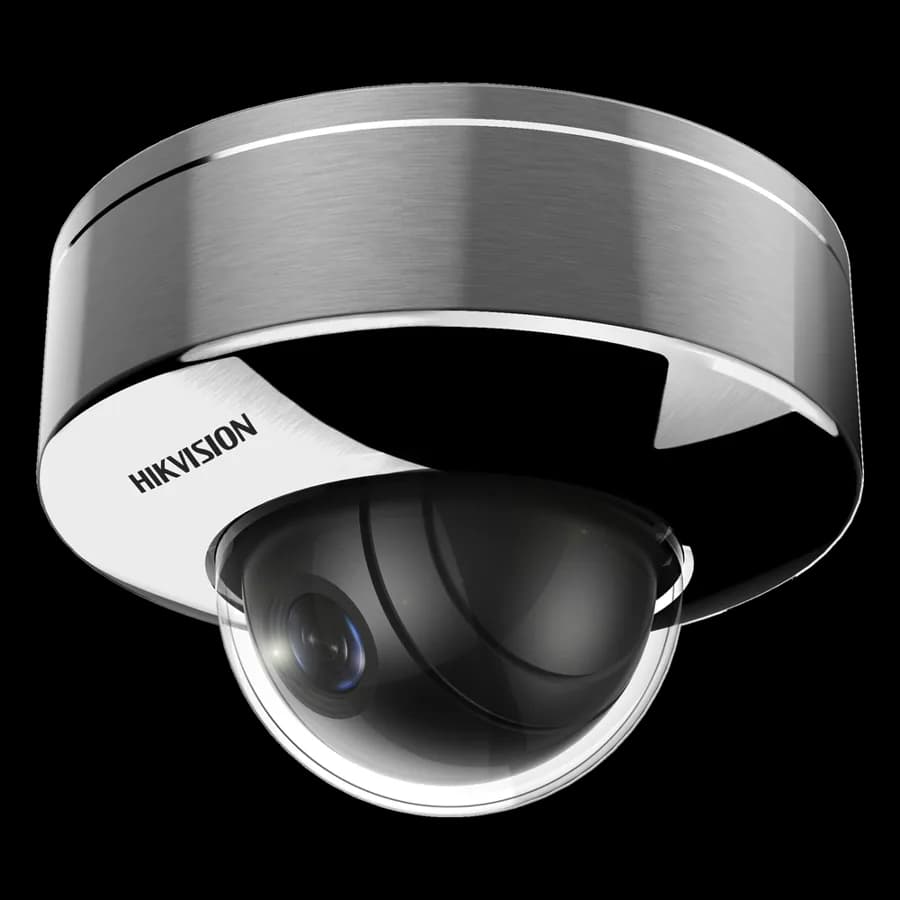
Hikvision · DS-2XE6145G0-HS/304
4 MP stainless steel 304 IP dome, anti-corrosion
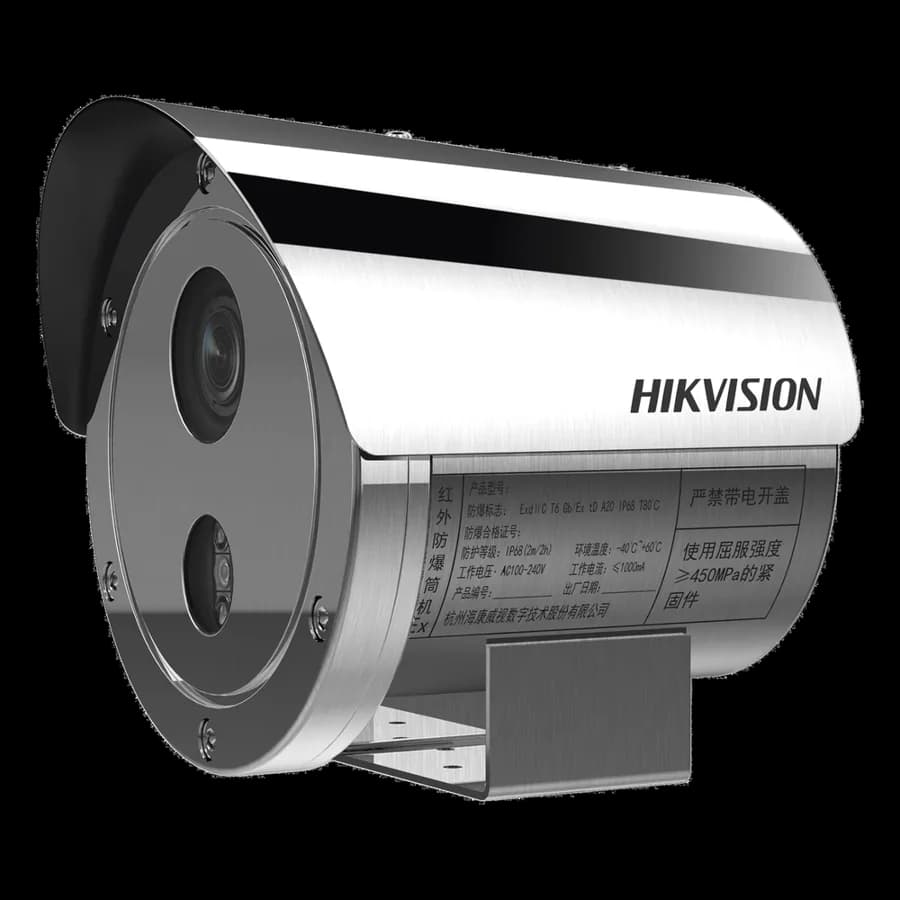
Hikvision · DS-2XE6445G0-IZS/304
4 MP stainless 304 explosion-proof IP bullet camera, 2.8–12 mm
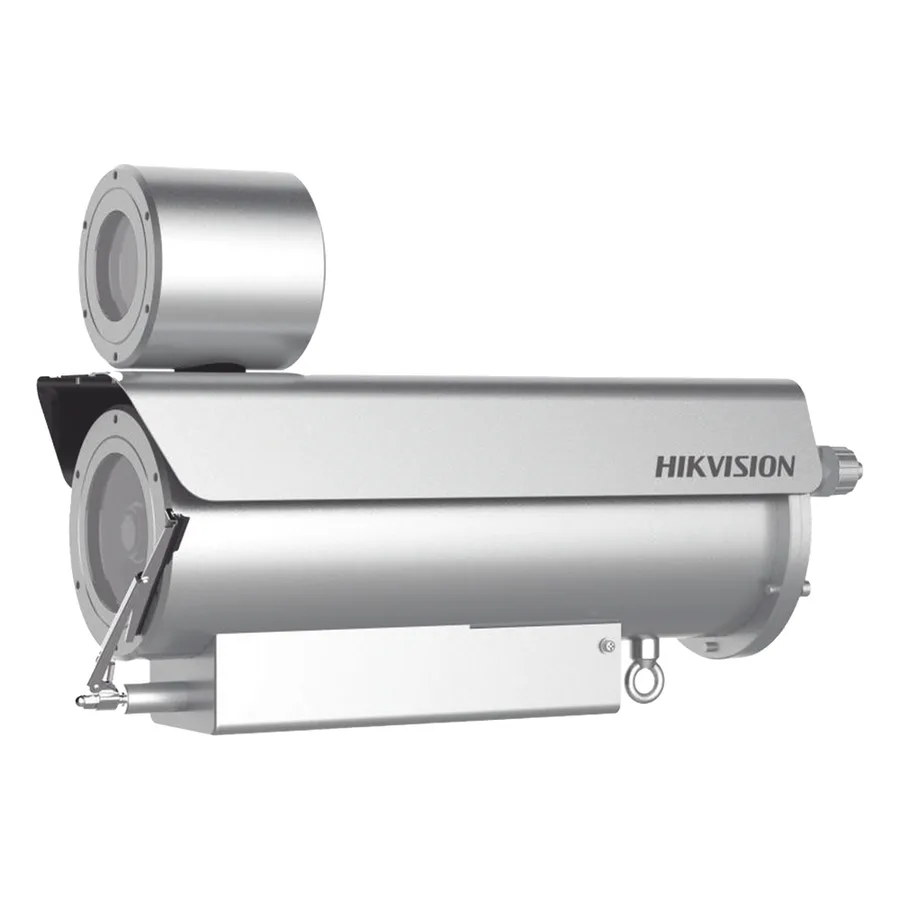
Hikvision · DS-2XE6442F-IZHRS(D)
4 MP explosion-proof 316L stainless steel IP bullet camera, 2.8–12 mm, 80 m IR
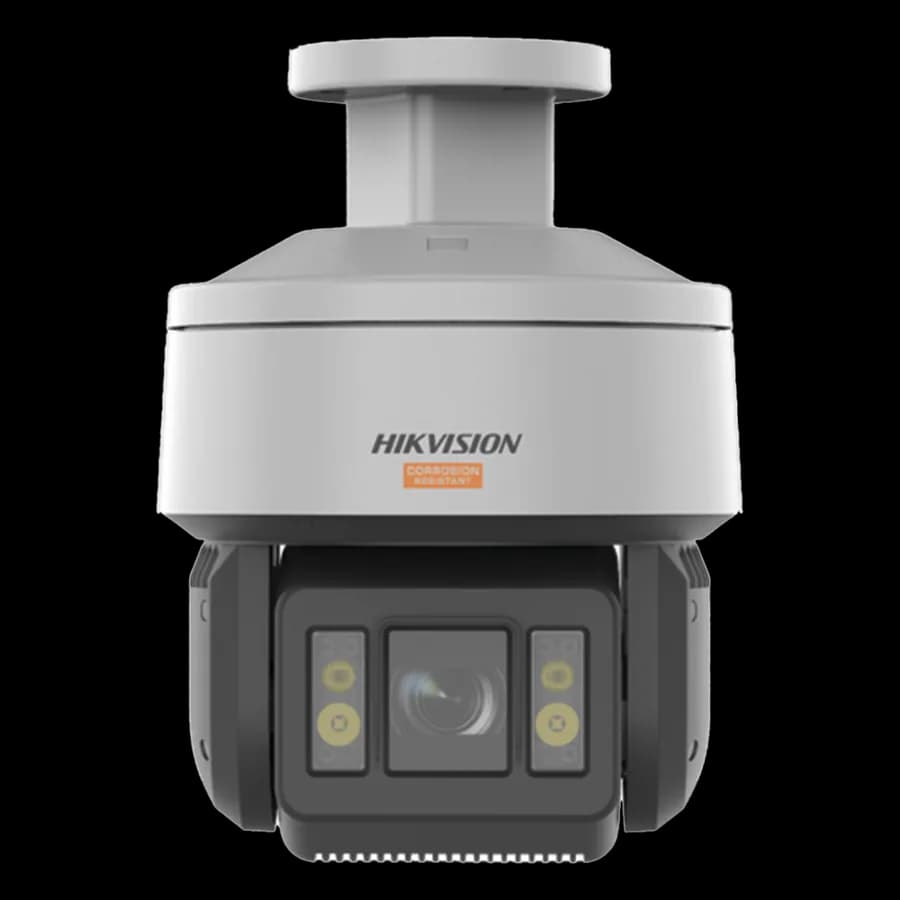
Hikvision · DS-2DT5432MWG-T(PA)
4 MP anti-corrosion PTZ IP camera, 32X zoom
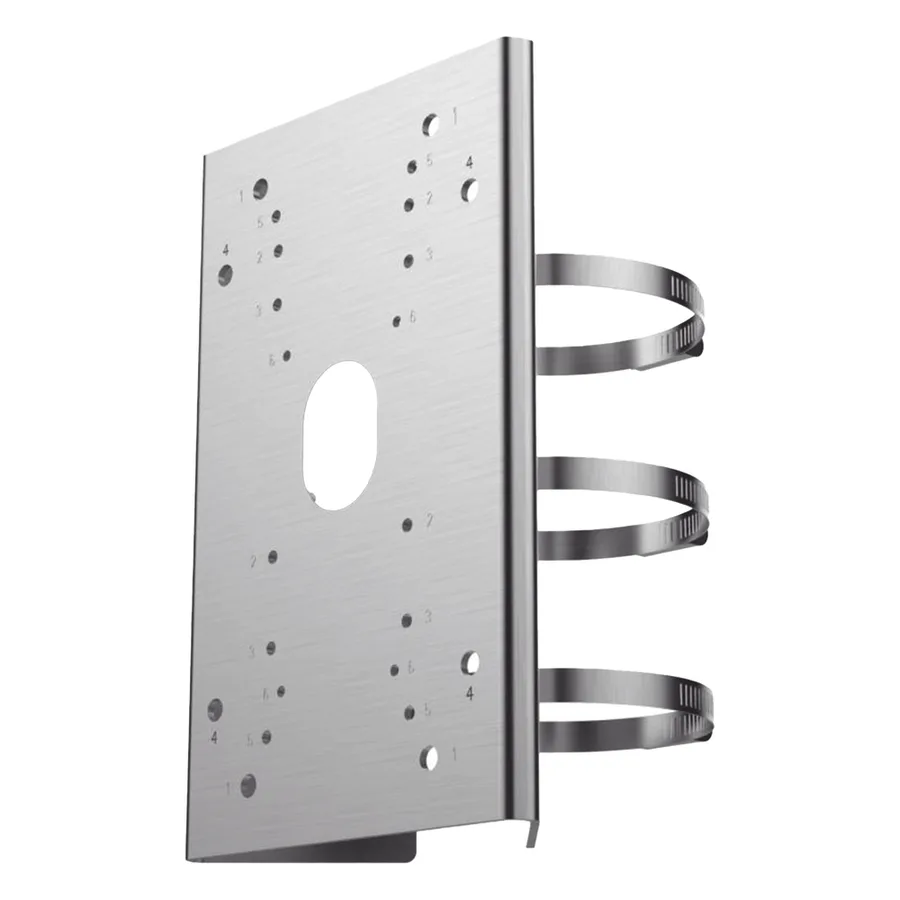
Hikvision · DS-4630ZJ-GSAC
316L stainless steel pole adapter for anti-corrosion PTZ
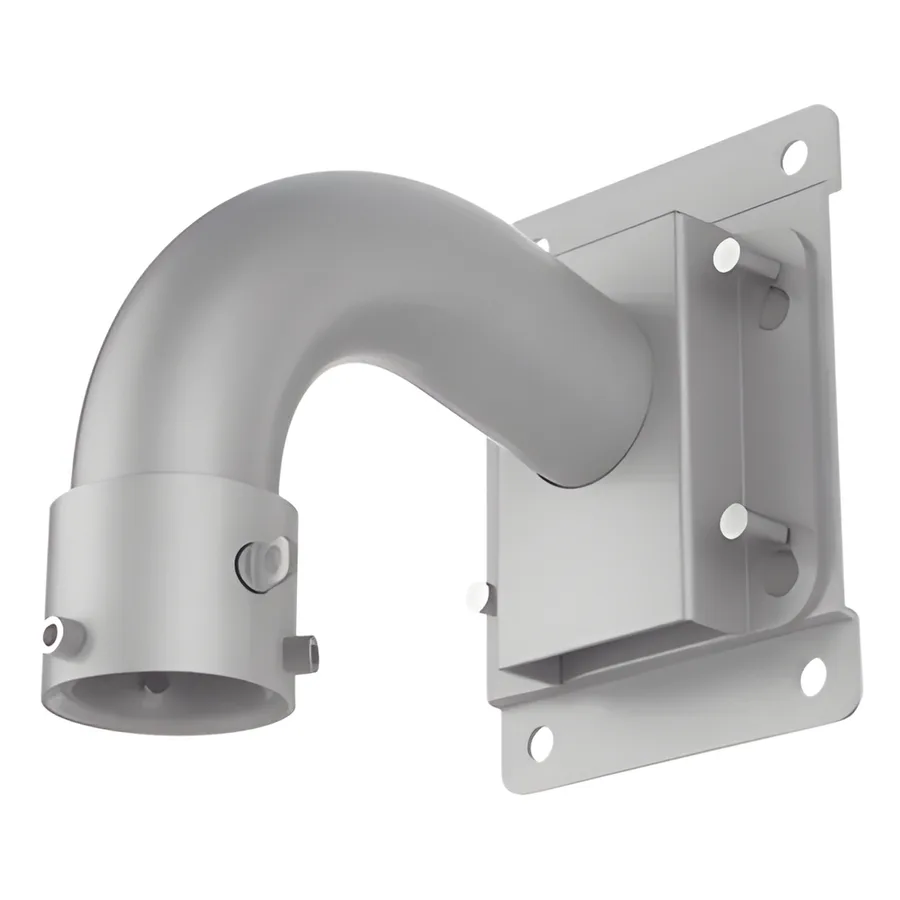
Hikvision · DS-4600ZJ-GSAC
Wall mount for anti-corrosion polymer PTZ
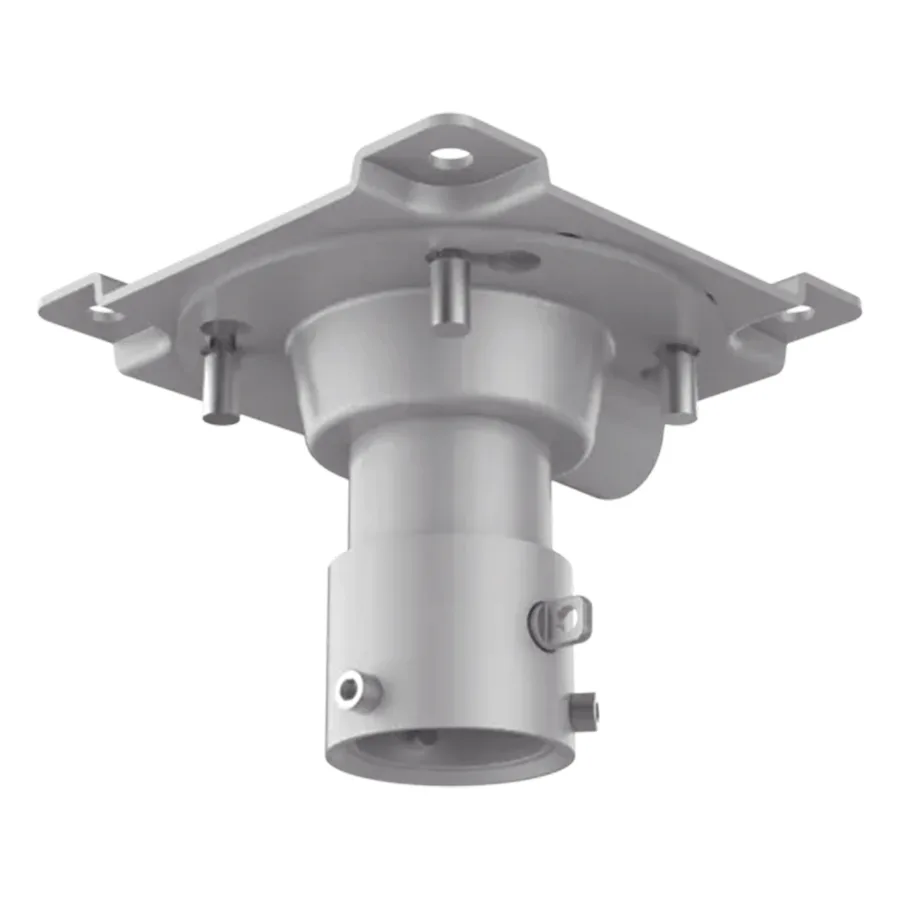
Hikvision · DS-4610ZJ-GSAC
316L stainless steel pendant mount for PTZ
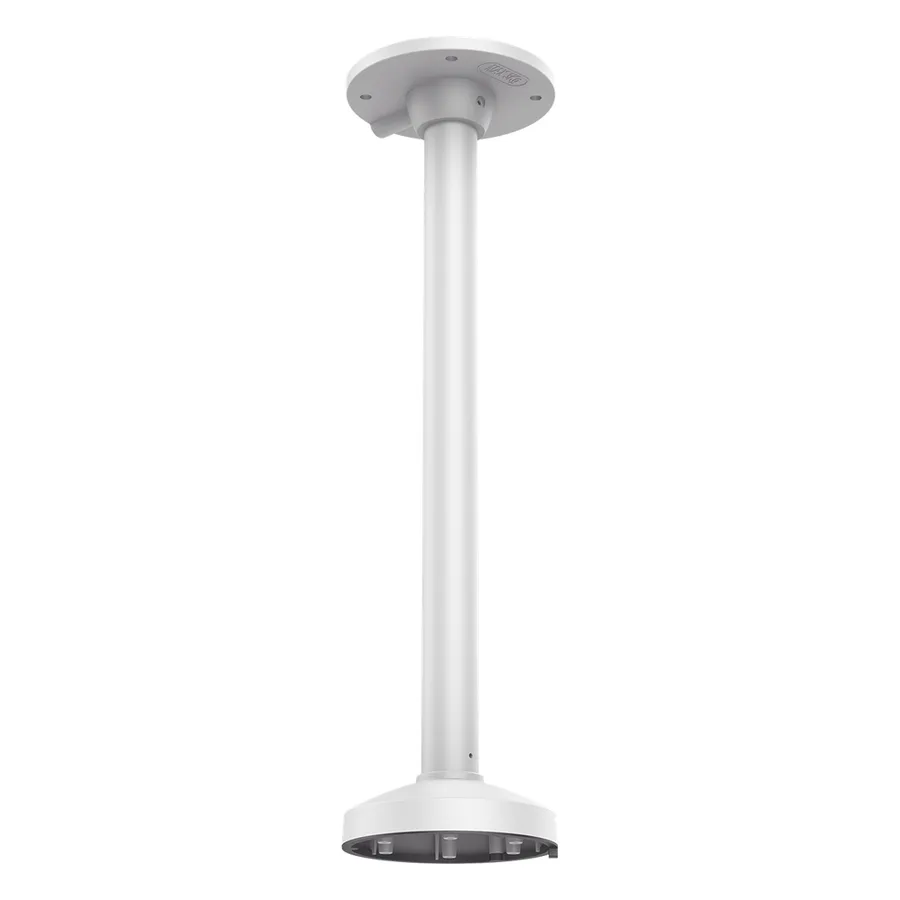
Hikvision · DS-1271ZJ-140
Pendant ceiling mount for dome and turret cameras, 565 mm
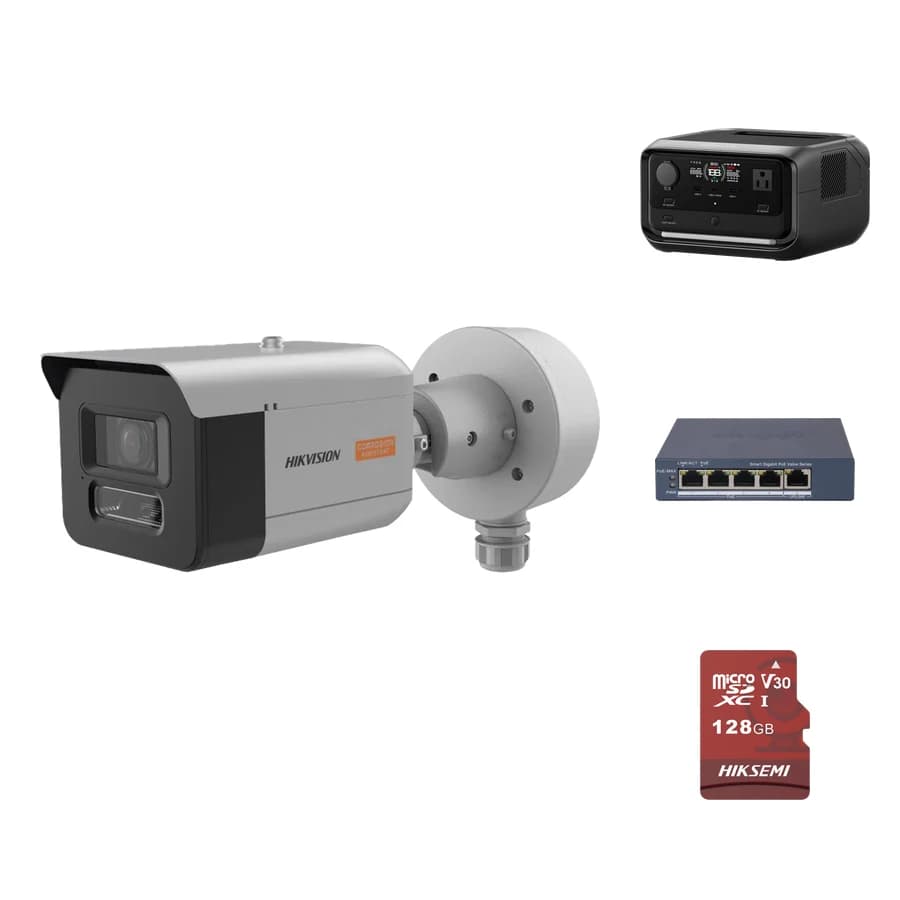
Hikvision + EcoFlow · Sistema Costa
Coast No-Blackout System: anti-corrosion camera + memory + PoE switch + EcoFlow RIVER 3 Plus
Don't forget the junction box
It shields the camera's cables and connectors from salt. Without it, the connection is the first thing to fail.
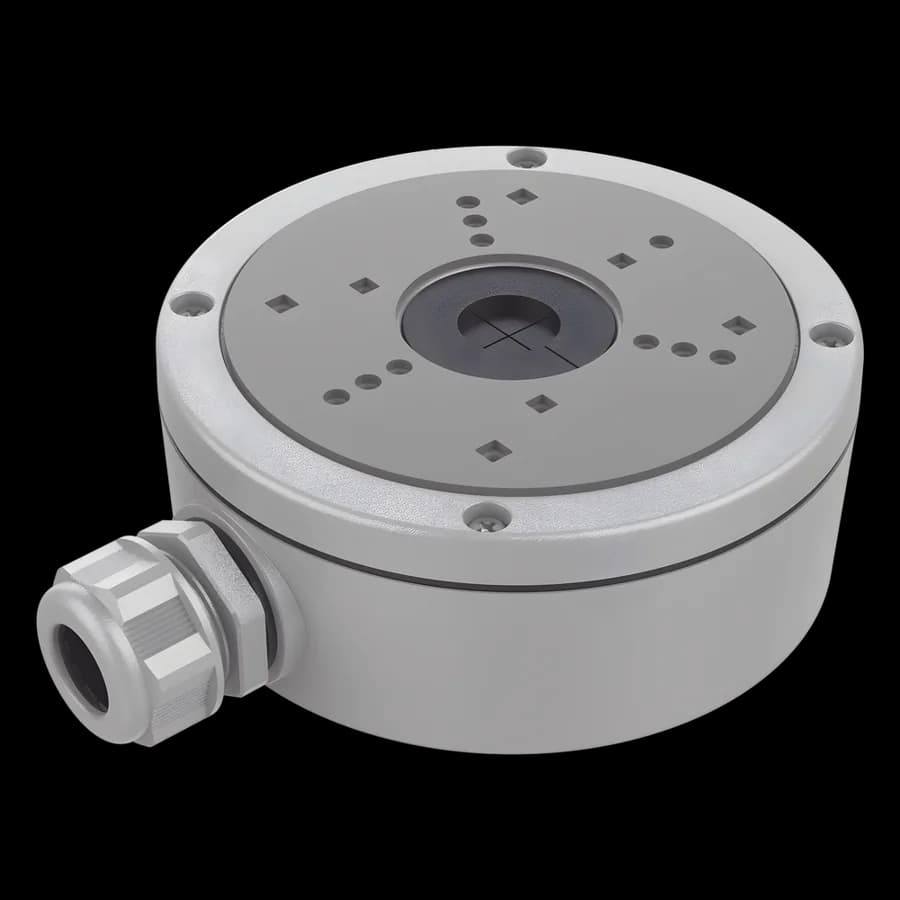
Hikvision · DS-1280ZJ-S-428C-ACY
Anti-corrosion polymer outdoor junction box
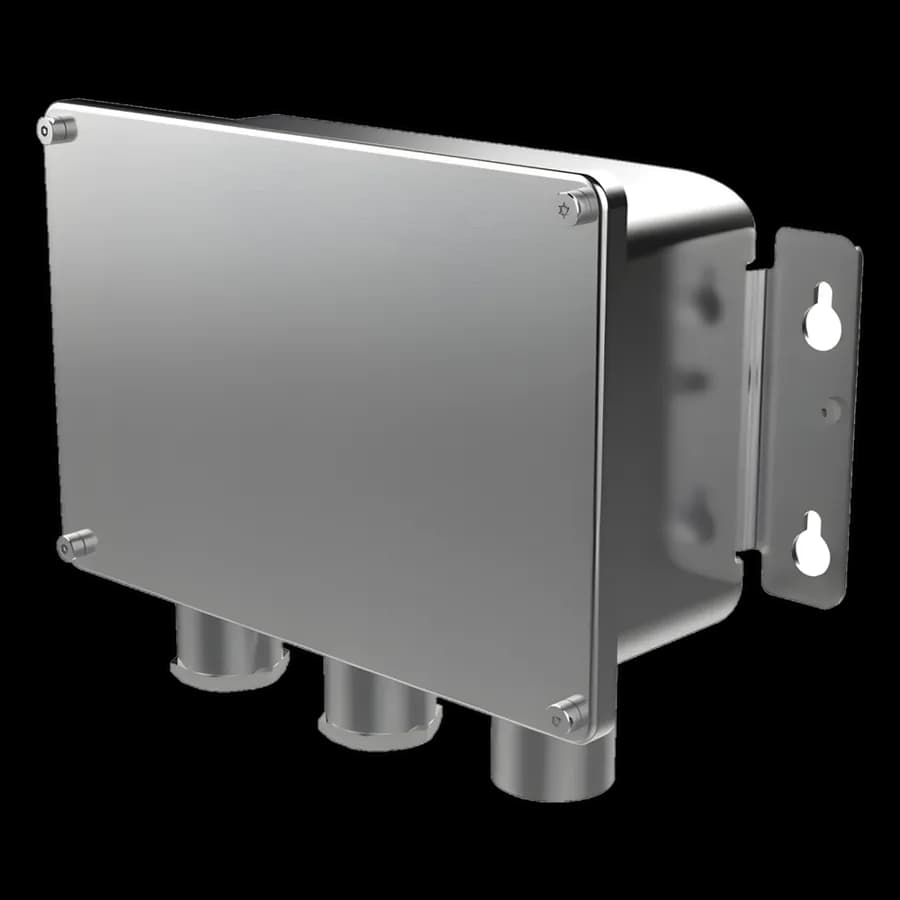
Hikvision · DS-1284ZJ-M
Stainless steel 316L junction box for bullet and turret
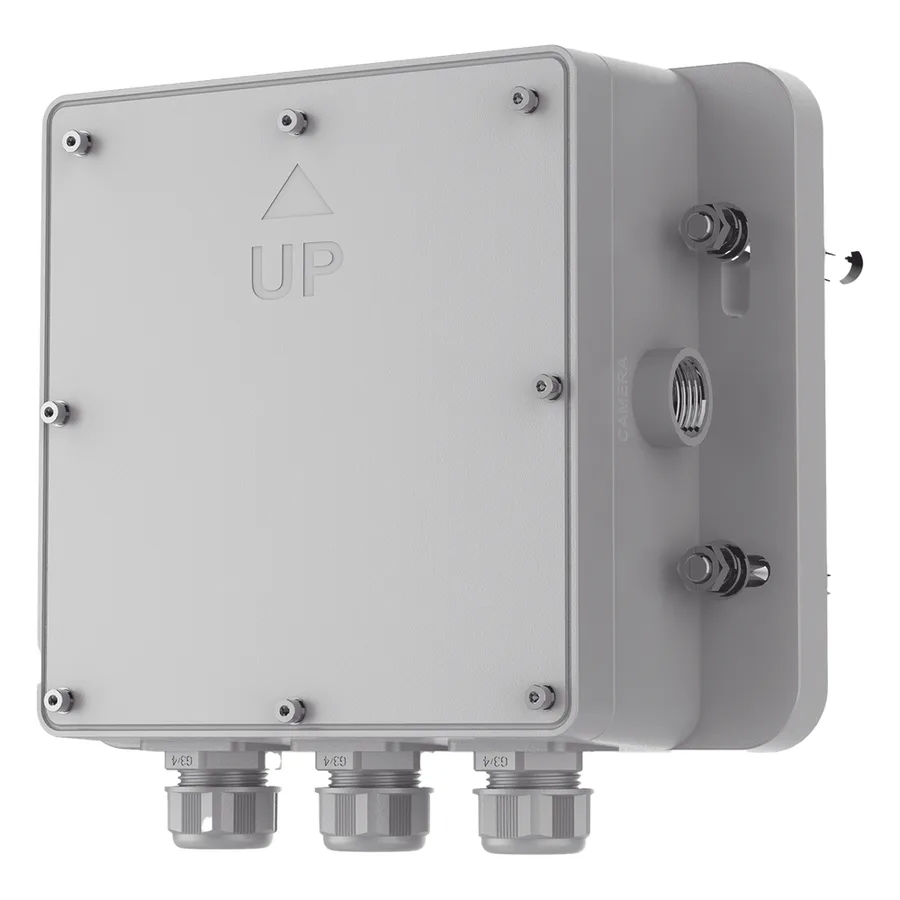
Hikvision · DS-4680ZJ-GP
Anti-corrosion polymer junction box for PTZ
Questions
About the anti-corrosion line
How close to the sea do I need an anti-corrosion camera?
If you're within about 5 km of the coast or can feel the salty breeze, it's worth it. On the beachfront it's a must.
What's the difference between polymer and stainless steel?
Both resist salt. Polymer is lighter and more affordable; stainless steel is sturdier and handles impacts and industrial settings.
Do they show color at night?
Models labeled ColorVu or Dual Light turn on a white light and record in color in the dark; the rest use black-and-white infrared.
Do they work with any recorder?
They are ONVIF-compatible IP cameras: they work with Hikvision recorders and most NVRs on the market.